What Is The Best Time Of Year For A Larapinta Trail Trek?
The Larapinta Trail is officially best walked from April to September. This guide breaks down the heat rules, section lengths, waterhole conditions and booking windows so you can pick the right month.
The best time of year for a Larapinta Trail trek is April to September, the window the Northern Territory parks service names as the official walking season for the trail. Between October and April temperatures can exceed 40 °C, and the parks advice for those months is to walk in the morning and late afternoon only, if at all. Inside the cool season, every month works, but the trade-offs between daytime heat, overnight cold and waterhole temperatures differ enough that the right month depends on the sections you are walking and how you handle cold water.
The trail itself runs for over 230 km through Tjoritja / West MacDonnell National Park, split into 12 sections that each take one to two days. It starts at the Alice Springs Telegraph Station and finishes at the summit of Mount Sonder, and the parks service requires walkers to book each night and pay walking trail fees online before departure. That booking rule matters for season planning more than most people expect, because campsite demand concentrates hard into the shoulder months of the cool season.
The park the trail crosses was gazetted on 15 October 2014 under its dual name, Tjoritja being the Western and Central Aranda name for the MacDonnell Ranges, and it stretches about 161 km west of Alice Springs across 252,800 hectares of jointly managed country, the homelands of Central Arrernte, Western Aranda and Luritja people. Walking it is therefore not just a physical project but a passage through a cultural landscape: the parks service notes that ancestral beings created this landscape in the mythological time, and that several dreaming trails and stories cross at Simpsons Gap alone, near the trail's first section. Season choice sits inside that bigger picture.
Why April To September Is The Official Walking Season
The parks service designates April to September as the cooler months and the recommended Larapinta season because Central Australian summers push past 40 °C between October and April, conditions the official trail advice treats as dangerous for a full walking day. Outside the cool season the guidance narrows to morning and late afternoon walking only, and the parks safety pages direct walkers to check Bureau of Meteorology heatwave warnings before setting out. That is not a suggestion aimed at faint hearts; it is the operating reality of a desert trail with long waterless stretches and limited shade.
The same official pages add a layer most first-timers miss: walkers should not walk alone, and should carry a satellite phone or personal locator beacon rather than relying on mobile coverage. Those rules apply year-round, but they bite hardest in the hot months when heat exhaustion can move fast and help is far away. The official Larapinta planning page carries all of this in one place, and it is worth reading before you fix dates rather than after.
Fire rules also follow the season. Along the trail only fuel stoves or the free barbecues at designated campgrounds are permitted, with no open fires at any time of year. Campers therefore pack for cold desert nights regardless of month, because April to September in this country means warm afternoons and genuinely cold evenings, and the campgrounds are the only place cooking is allowed.
There is a practical sequencing point hidden in these rules. The cool season is short, the campsites are finite, and the walking fees are prepaid, which means a trek that drifts from July into October does not simply get warmer; it crosses into a different regulatory regime where the official advice no longer supports full-day walking at all. Trekkers who book far ahead should aim for the middle of the cool window rather than its edges, leaving room for a date shift in either direction without falling out of season.
Choosing the season is the last step before booking a guided trek, and it is the step this site exists to help with: West MacDonnell Ranges Tours tracks the guided Larapinta options alongside the park rules that shape them.
What The Heat Rules Mean For Summer Walking
Between October and April, temperatures on the trail can exceed 40 °C, and the parks advice in that period is to walk only in the morning and late afternoon, avoid strenuous activity in the heat of the day, and carry and drink plenty of water while wearing a hat. In practice that makes a multi-day through-walk in the hot half of the year close to unworkable: with 26 designated category B campgrounds spread across more than 230 km, the daily distances do not compress neatly into two short walking windows, and the midday gap leaves walkers exposed on exposed ridgelines or stuck at camp.
The safety advice also asks walkers to note the locations of emergency call devices along the route. Heat is the loudest hazard in the hot months, but it is not the only seasonal one. After heavy rain, unsealed access roads into the park can become impassable for a short time, which matters for anyone planning a vehicle-supported section walk or a guided tour with road transfers. Flash floods and storms are listed alongside heat on the parks swimming and safety pages as seasonal risks that change the character of the gorge country.
Rain timing deserves a note here because the park publishes no official wet-season dates. What the official pages do say is that roads can be cut for a short period after heavy rain, and that the gorges that make the trail famous are exactly the places where flash floods concentrate. A trekker weighing April against September, the two shoulder months, is really weighing residual rain risk at one end against short days and cold nights at the other. Neither risk is large in a typical year, but both are worth a buffer day in the itinerary.
None of this makes summer walking impossible for a well-prepared local doing a single short section at dawn. It does make summer the wrong season for the thing most readers of this page are considering: a guided multi-day trek with daily kilometre targets. If your dates fall between October and April and cannot move, the honest answer is to shorten the ambition, walk early, and treat the middle of the day as rest.
How The Trail's 12 Sections Shape Your Timing
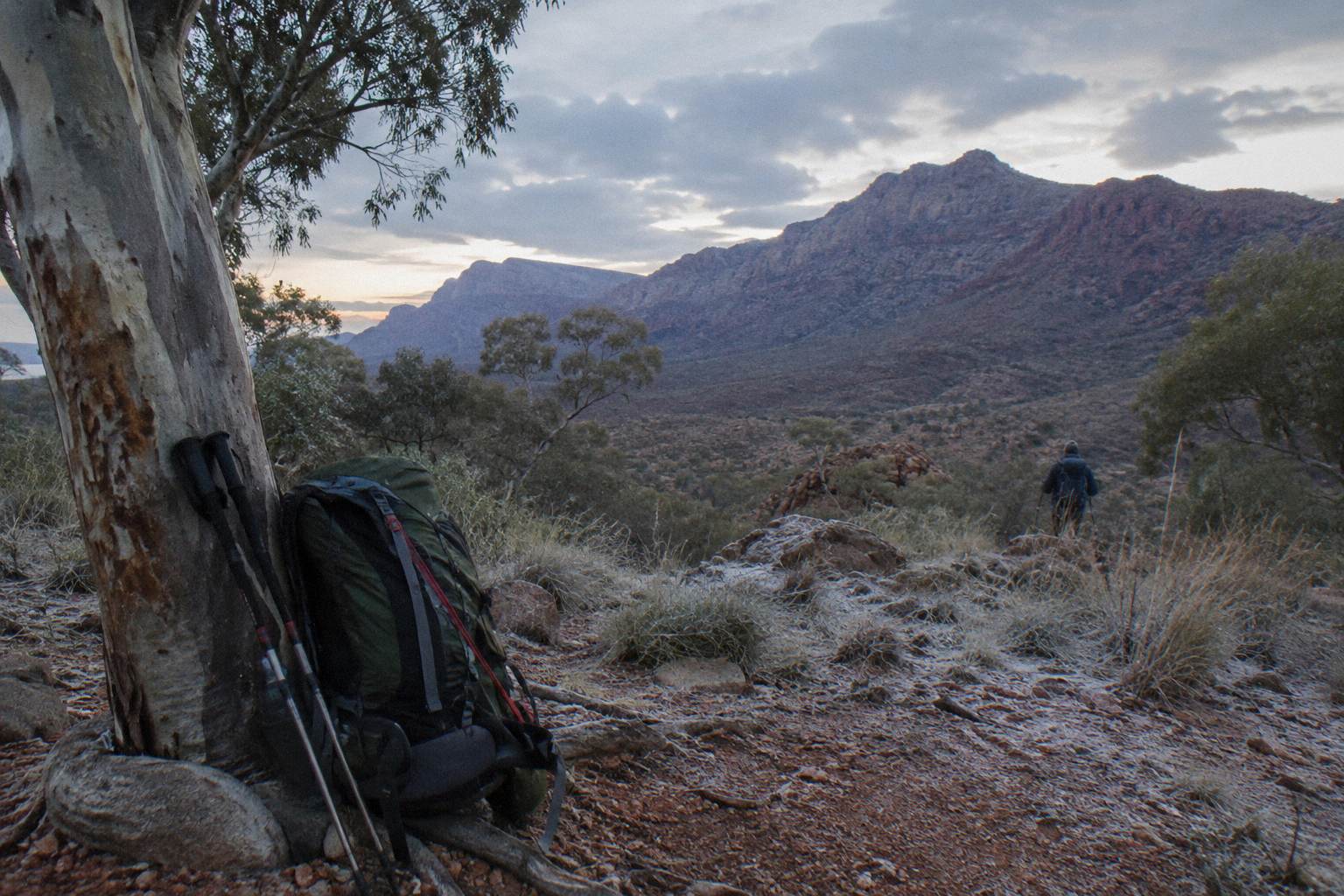
Section lengths on the Larapinta run from 8.9 km to 28.9 km a day, and the recommended walking hours range from four to twelve, so the season you choose has to cover your slowest section, not your average one. A walker comfortable with 24 km in nine hours on a July day may not be comfortable with the same distance in the warmer shoulder weeks, and the two longest sections both push double-digit hours. Timing a trek means matching the hardest section to your best weather.
The official section breakdown makes the spread clear:
| Section | Route | Distance | Recommended hours | Grade |
|---|---|---|---|---|
| 1 | Telegraph Station to Simpsons Gap | 24.7 km | 9 | 4 |
| 2 | Simpsons Gap to Jay Creek | 26.2 km | 8.5 | 4 |
| 3 | Jay Creek to Standley Chasm | 13.6 km | 5.5 | 4 |
| 4 | Standley Chasm to Birthday Waterhole | 17.9 km | 8.5 | 5 |
| 5 | Birthday Waterhole to Hugh Gorge | 14.9 km | 9.5 | 5 |
| 6 | Hugh Gorge to Ellery Creek North | 28.9 km | 10.5 | 4 |
| 7 | Ellery Creek North to Serpentine Gorge | 12.8 km | 5 | 4 |
| 8 | Serpentine Gorge to Serpentine Chalet Dam | 13 km | 5.5 | Not stated |
| 9 | Serpentine Chalet Dam to Ormiston Gorge | 28.9 km | 12 | Not stated |
| 10 | Ormiston Gorge to Finke River | 8.9 km | 4 | Not stated |
| 11 | Finke River to Redbank Gorge | 26.3 km | 9.5 | Not stated |
| 12 | Redbank Gorge to Mount Sonder return | 15 km | 6 | 4 |
Grades 4 and 5 dominate the early and middle sections, which is another reason the cool season matters: hard scrambling terrain and heat do not mix. Section 12, the Mount Sonder summit return out of Redbank Gorge, is the classic sunrise walk and is often saved for a trek's final morning, which naturally pushes walkers toward the colder end of the season when dawn starts late and the walking is at its kindest.
The hours column rewards a close read. Section 4 covers only 17.9 km but is recommended at 8.5 hours because grade 5 terrain slows walkers to below three kilometres an hour, and section 9 pairs the full 28.9 km with a twelve-hour recommendation, the longest day on paper. A trek plan that squeezes section 9 into a warm shoulder month with short daylight is a plan built to fail. Mid-season months with long days exist precisely for legs like these.
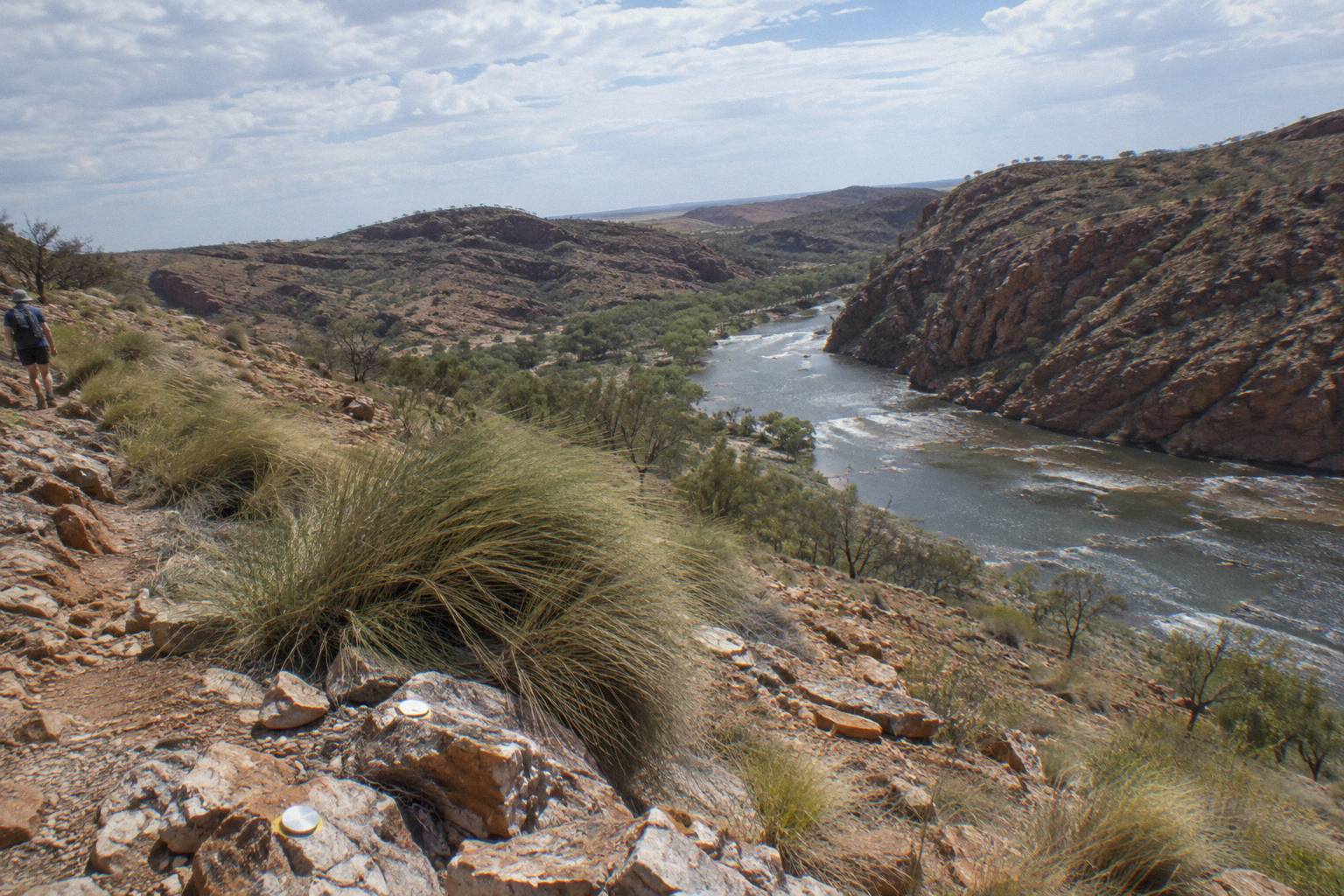
If you are still working out which sections belong in your trip, the Larapinta Trail sections overview breaks each leg down in detail, and the full Larapinta map and route guide shows how the legs connect.
Cold Water And Swimming Conditions Through The Year
Most waterholes along the Larapinta and in the surrounding gorges are extremely cold year-round, and the parks service warns of hypothermia risk at Ormiston Gorge even in summer, so swimming conditions barely improve with the season even as the walks do. Ormiston's permanent waterhole sits 500 m from the visitor centre and reaches up to 14 m deep at its southern end, and jumping and diving are banned. Several walks in that area require swimming or wading to complete, which is a timing consideration nobody expects from a desert trek.
The swimming rules are collected on the official swimming conditions page for the park, and they apply with equal force in April and in August. Redbank Gorge's near-permanent waterhole, one kilometre from the carpark and at the base of Mount Sonder, is cold enough that a flotation device is recommended. Ellery Creek Big Hole, which the trail passes on sections 6 and 7, is described as ideal for swimming but extremely cold, with no jumping, diving or swinging allowed.
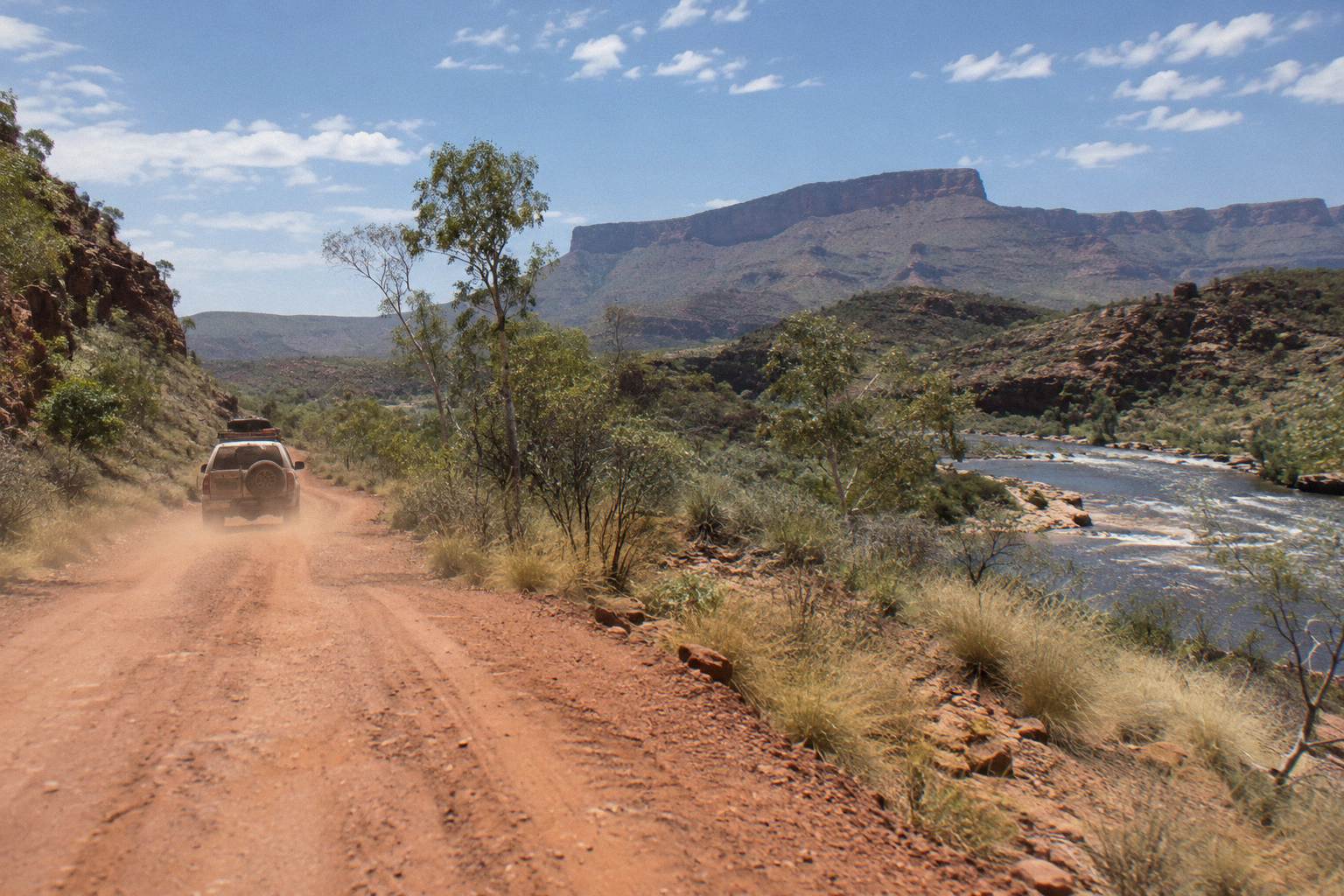
For trekkers, the practical takeaway is to pack for cold water in every month, and to treat any walk flagged as requiring a swim as a section where the shoulder season's warmer days help more than the water temperature does. Campers at the category B campgrounds, which must be booked and paid for online in advance, will find gas barbecues and boil-before-drinking water supplies but no heating for waterholes.
The cold-water reality also reshuffles which sections suit which month. Ormiston's Pound Walk loop and Ghost Gum Loop Walk both involve swimming or wading in the current conditions, and Ghost Gum Lookout is reached via routes that cross water. Walkers who would rather keep their boots dry all trek should plan those legs for the warmest sensible weeks inside the season, and check the Ormiston Gorge park page for the current state of each walk before committing to dates, since track conditions change with storms.
Which Month Should You Actually Pick?
Within the April-to-September season, the honest month-by-month choice comes down to a single trade-off: mid-winter months give the shortest, coolest walking days and the coldest nights, while the shoulder months at each end give warmer water, longer daylight and more campsite competition. The park's rules do not rank the months for you, so the table below reduces the official season rules to a planning grid rather than operator promises.
| Period | Official rule or condition | What it means for a trek |
|---|---|---|
| April to September | Named cool-season walking window | All multi-day treks and through-walks belong here |
| October to April | Temperatures can exceed 40 °C | Walk mornings and late afternoon only; full through-walks impractical |
| Any month | Waterholes extremely cold, hypothermia risk even in summer | Pack warm layers and a dry bag for swim sections |
| After heavy rain | Unsealed roads can be impassable for a short period | Build a flexible day or two into vehicle-supported plans |
| Every booking | Camp nights and walking fees paid online before you go | Popular shoulder-month campsites need early booking |
Guided trekkers get one structural advantage here: an operator handles the campsite bookings and the season arithmetic. The five-day Alice Springs: Larapinta Hiking Trail 5-Day Adventure Safari from Autopia Tours runs about 14 km of guided bushwalking across grades 2 to 5 from a private remote campsite on traditional land, with camping equipment, most meals and hotel transfers in Alice Springs included, from AU$3,125 per person and free cancellation up to 24 hours before. Its full trek listing covers the day-by-day detail.
Walkers with two weeks available face a different calculation. The 14-Day Larapinta Trail Walking Tour from Walking Country is a guided walk where the operator does not say which sections are walked, with 13 nights of bush camping and all meals included; pricing is on the listing rather than quoted up front, and the operator holds a 4.0 rating from 3 reviews, a small pool worth reading in full before committing.
Trek Length, Bookings And Cancellation Windows
Every night on the trail must be booked and paid for online before you go, and guided treks carry cancellation windows ranging from 24 hours on most day and short treks up to 14 days on the four-day Uluru and Kings Canyon camping adventure, so the season you pick also sets how late you can change your mind. Independent walkers booking their own campsites face the parks booking system directly; guided walkers inherit the operator's terms instead, which are usually more forgiving for weather-adjacent changes.
The cancellation spread across the relevant roster is worth knowing before you pay. The five-day Larapinta safari and the three-day Kings Canyon and West MacDonnell camping adventure both allow free cancellation up to 24 hours before. The four-day Uluru, Kings Canyon and West MacDonnell tour needs 14 days' notice, and the six-day astronomy tour needs seven. Weather flexibility works differently at each of those thresholds.
A 24-hour window is generous for a change of heart but tight for a change of forecast, and long-range Central Australian forecasts are honest about their own limits. Trekkers booking shoulder-month departures under a short cancellation window should treat the final week as committed, while those on the 14-day and 7-day windows are effectively locking their season choice at the moment of booking. This is the quiet argument for mid-season departures: the further your dates sit from either edge of the cool window, the less a cancellation clause matters.
Operators also build weather flexibility into their terms in ways the season makes necessary. The six-day astronomy tour's booking terms note that minor route and timing changes may occur for weather, road conditions or park closures, with a full refund if a core component is removed. Alice Holiday Tours offers a suitable alternative if attractions close for circumstances beyond its control. Neither clause replaces choosing the right month, but both soften the edges of a desert itinerary.
Shorter Treks And The Same Season Logic
The season rules apply just as firmly to short trips as to through-walks: a three-day camping adventure still walks in desert heat, still sleeps through cold outback nights, and still depends on unsealed roads staying open after rain. Choosing a shorter format reduces the kilometres and the cost, not the weather, so the April-to-September window remains the only sensible time to book one. Any month outside it carries the same 40 °C risk with less margin for recovery between walking days.
The three-day Kings Canyon and West MacDonnell 4WD Camping Adventure from Autopia Tours, from AU$896 per person with the NT Parks pass included, free cancellation up to 24 hours before, and roughly 12 km of guided bush walks, sits entirely inside the same April-to-September logic. Its walks are shorter and its vehicle support heavier, but the heat, the cold nights and the unsealed-road rain risk are identical.
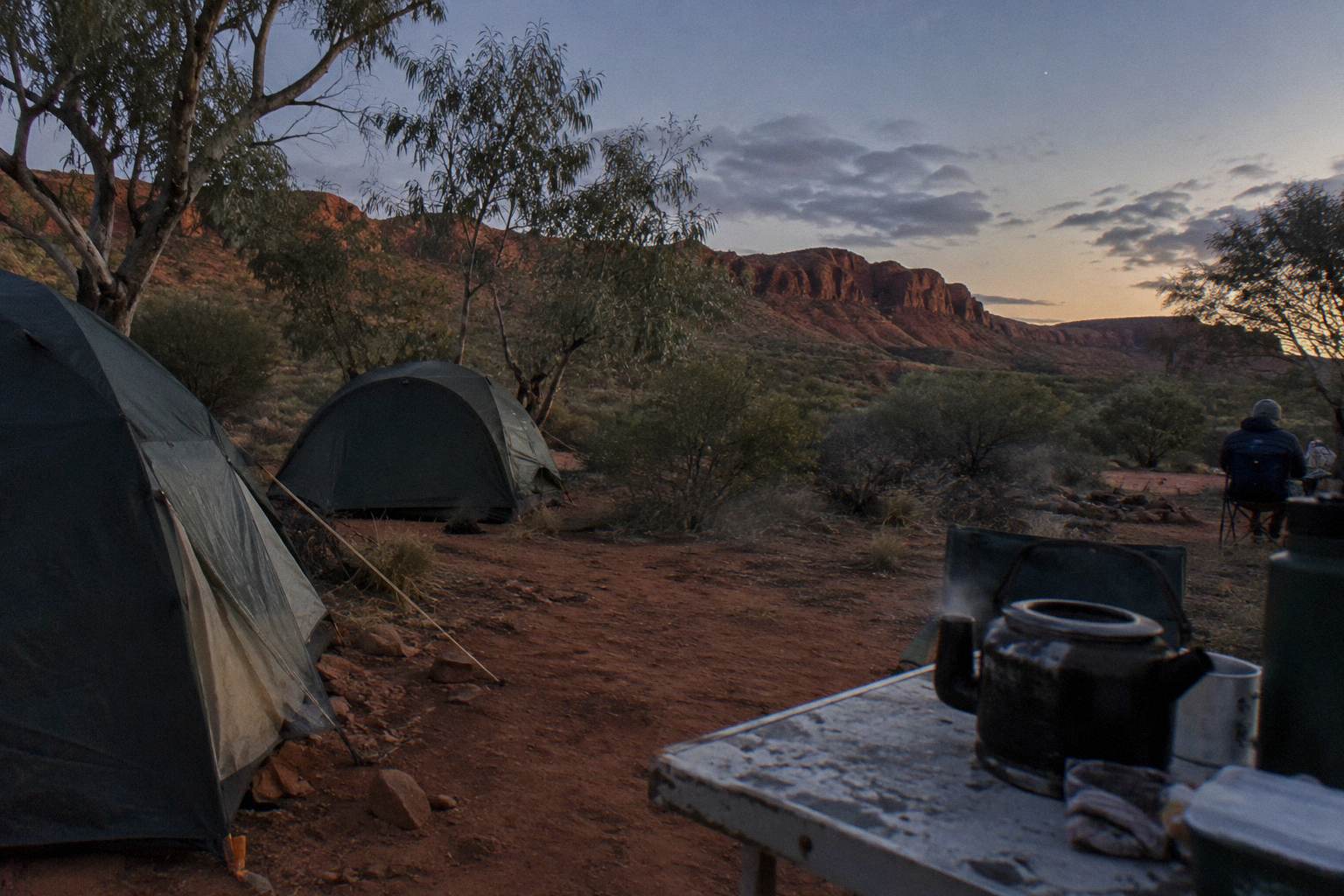
That makes the three-day option a sensible season-tester: it samples the West MacDonnells and Kings Canyon inside the cool months without committing two weeks or several thousand dollars. Its campsite nights are spent at permanent outback campsites at Kings Creek and in the West MacDonnells, with two breakfasts, two lunches and two dinners included, so the cold-night packing list is the operator's problem solved with supplied equipment rather than yours to carry. Readers weighing the two ends of the scale can also compare the guided Larapinta walk options directly, or start with the broader question of whether a guided Larapinta walk is worth it.
However you slice the trip, the decision sequence stays the same: fix the April-to-September window first, pick the sections or the guided format second, and book campsites or the tour third. Reversing that order is how people end up holding July campsite bookings for a 28.9 km day they have not trained for, or an October departure that the official advice no longer supports as a full walking day.
Common Questions About Larapinta Trail Trek Timing
What Is The Best Time Of Year For A Larapinta Trail Trek?
April to September. That is the cool-season window the Northern Territory parks service names for walking the trail, and outside it the official advice limits walking to mornings and late afternoons because temperatures can exceed 40 °C.
What Is The Best Time Of Year To Do The Larapinta Trail?
The parks service recommends April to September. Within that window, mid-winter gives the coolest walking days and coldest nights, while the shoulder months bring warmer water, longer daylight and heavier campsite demand.
Can You Walk The Larapinta Trail In Summer?
Only with strict limits. Between October and April temperatures can exceed 40 °C, and the official guidance is to walk only in the morning and late afternoon, avoid strenuous midday activity, and carry plenty of water. Multi-day through-walks in this period are impractical.
Do I Need To Book Larapinta Campsites In Advance?
Yes. Every night on the trail must be booked and paid for online through the parks booking system before you go, covering 26 designated category B campgrounds plus a private one at Standley Chasm. You cannot pay at the park.
Are The Waterholes Warm Enough To Swim In By Late Season?
No month makes them warm. Most waterholes are extremely cold year-round, and the parks service flags hypothermia risk at Ormiston Gorge even in summer. Pack for cold water whenever you walk.
Which Larapinta Sections Are The Longest?
Two sections tie at 28.9 km: Hugh Gorge to Ellery Creek North, recommended at 10.5 hours, and Serpentine Chalet Dam to Ormiston Gorge, recommended at 12 hours. Plan your season around your capacity for these days.